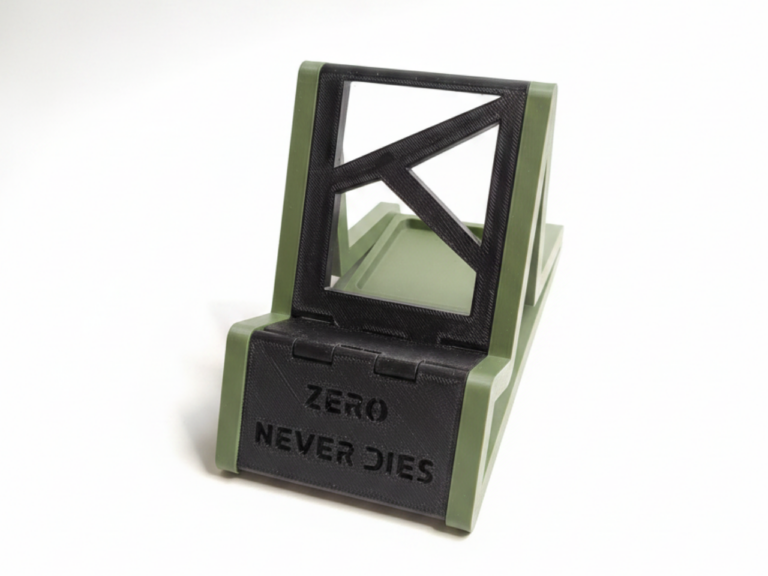
How We Engineered a 90% Plastic Reduction
(And Built a Stronger Stand in the Process)
At CTRL ENERGY, we hate waste. It’s the entire reason we’re building a modular, repairable power bank. So, when we set out to design a desktop companion stand for our devices, we knew we couldn’t just release another bulky, plastic-heavy chunk of desktop clutter.
But our first prototype was exactly that: a brick.
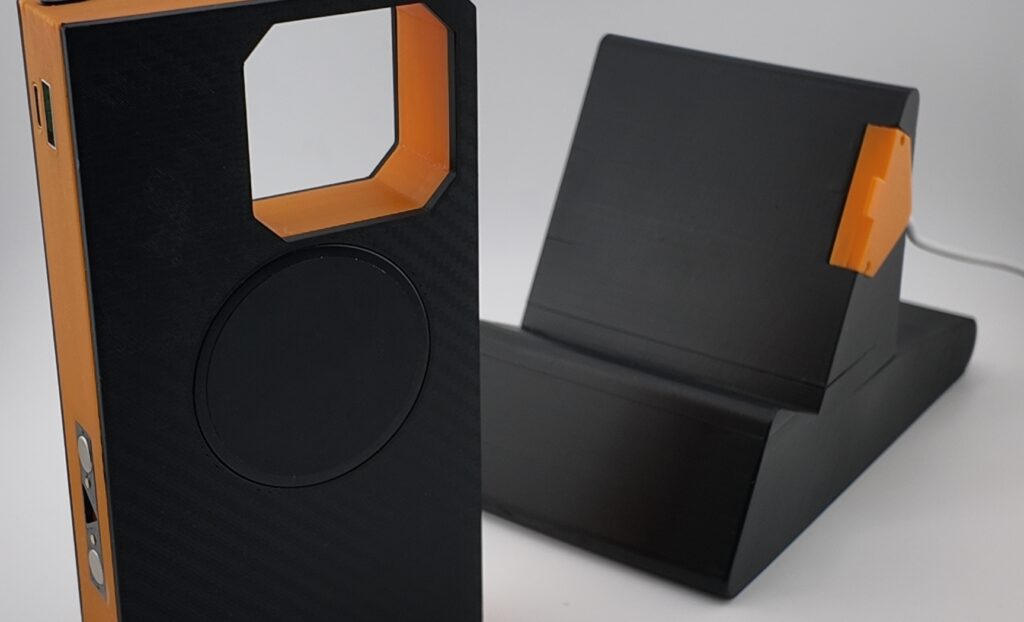
Here is the story of how a brilliant community suggestion, some clever engineering, and a total shift in printing physics allowed us to slash plastic usage by 90% while making a stand that is actually more durable than our solid-plastic original.
The "Static Brick" Dilemma
Our very first prototype of the ZERO Stand was a traditional, static wedge. It held a phone beautifully, but it had three major flaws:
It was bulky and impossible to travel with.
It required a massive amount of infill to support heavier devices like iPads.
Because it printed vertically, the stress of a heavy device pushed directly against the print’s layer lines, making it prone to snapping.
Essentially, we were printing a solid block of plastic just to hold a phone. It felt completely hypocritical to our mission of hardware sustainability.
The Pivot: The Physics of Printing Flat
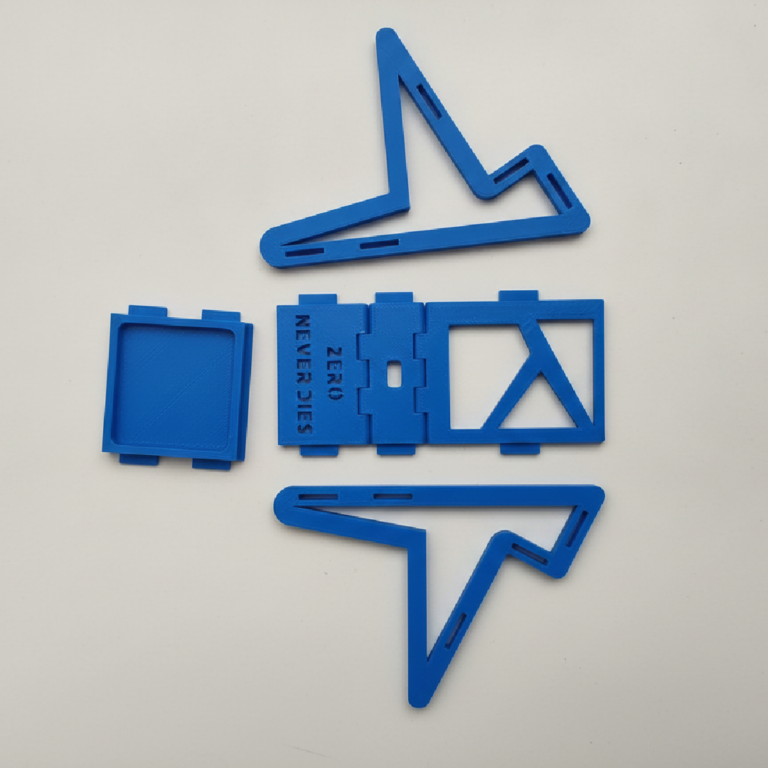
The breakthrough came when @voltnomad on our Discord suggested a flat-folding design. We went back to the CAD drawing board to design a print-in-place folding hinge.
By laying the stand completely flat on the build plate, we unlocked a massive engineering advantage: extrusion direction.
🤓 The Mini Physics Lesson
3D prints are weakest between their layers (shear stress). When you print a static stand vertically, a heavy device pushes against those layer lines, trying to peel them apart.
By printing the stand completely flat, the continuous strands of plastic run the entire length of the structural arms. Instead of relying on layer adhesion, the stand now relies on the tensile strength of the plastic filament itself.
By utilizing the strength of flat-printed filament, we were able to hollow out the design, replace solid blocks with lightweight structural arms, and completely eliminate the need for dense infill or throwaway support material.
The Result?
90% less plastic used compared to our initial prototype.
10x the durability because the load forces align perfectly with the continuous plastic extrusion lines.
It folds down to the thickness of a notebook, sliding easily into your pocket or laptop sleeve.
Repurposing the "Dead Space"
We didn’t stop at reducing plastic. We also looked at the geometry of the folded-out stand. The void created behind the main support kickstand was technically “dead space.”
Sticking to our modular roots, we engineered a clean, friction-fit pocket right into that void. It’s sized perfectly to stash a spare 18650 battery cells a pencil holder or a mini plant pot.
Now, your ultra-light travel stand also doubles as your backup power carrier.
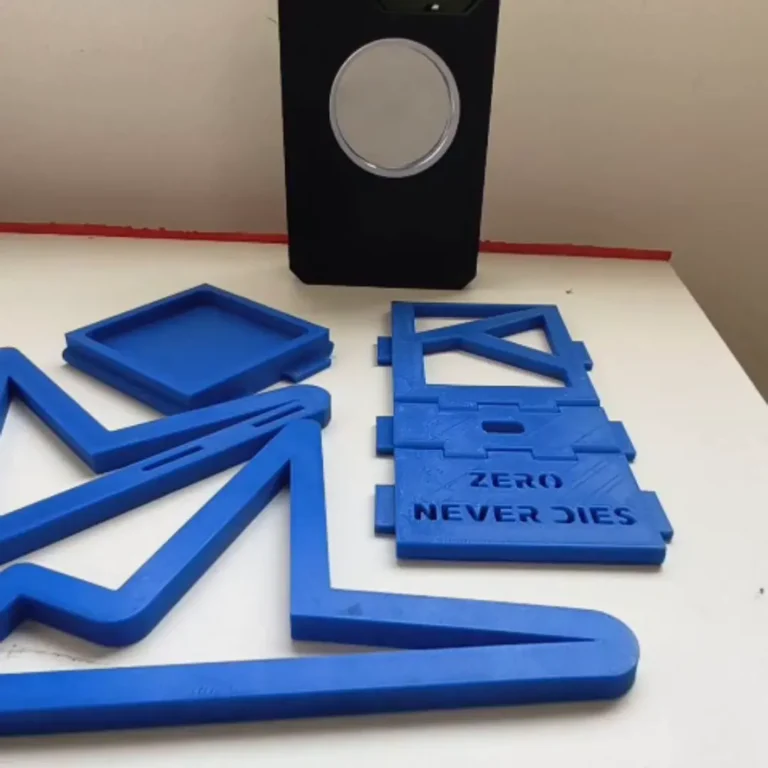
Built for the ZERO Ecosystem
The ZERO Stand is a testament to what happens when hardware development is opened up to the community. It’s open-source, entirely free to print, and designed to be a lifelong companion for your devices.
If you want to print one yourself, help us design our next accessory, or support our mission to build repairable consumer electronics, come join us!
💬 Chat with us on Discord: https://discord.gg/NEGxbPztXZ
🌐 Meet the ZERO Power Bank: https://go.nomorezero.com
📬 Back our Kickstarter Campaign: https://www.kickstarter.com/projects/ctrlenergy/zero-portable-battery